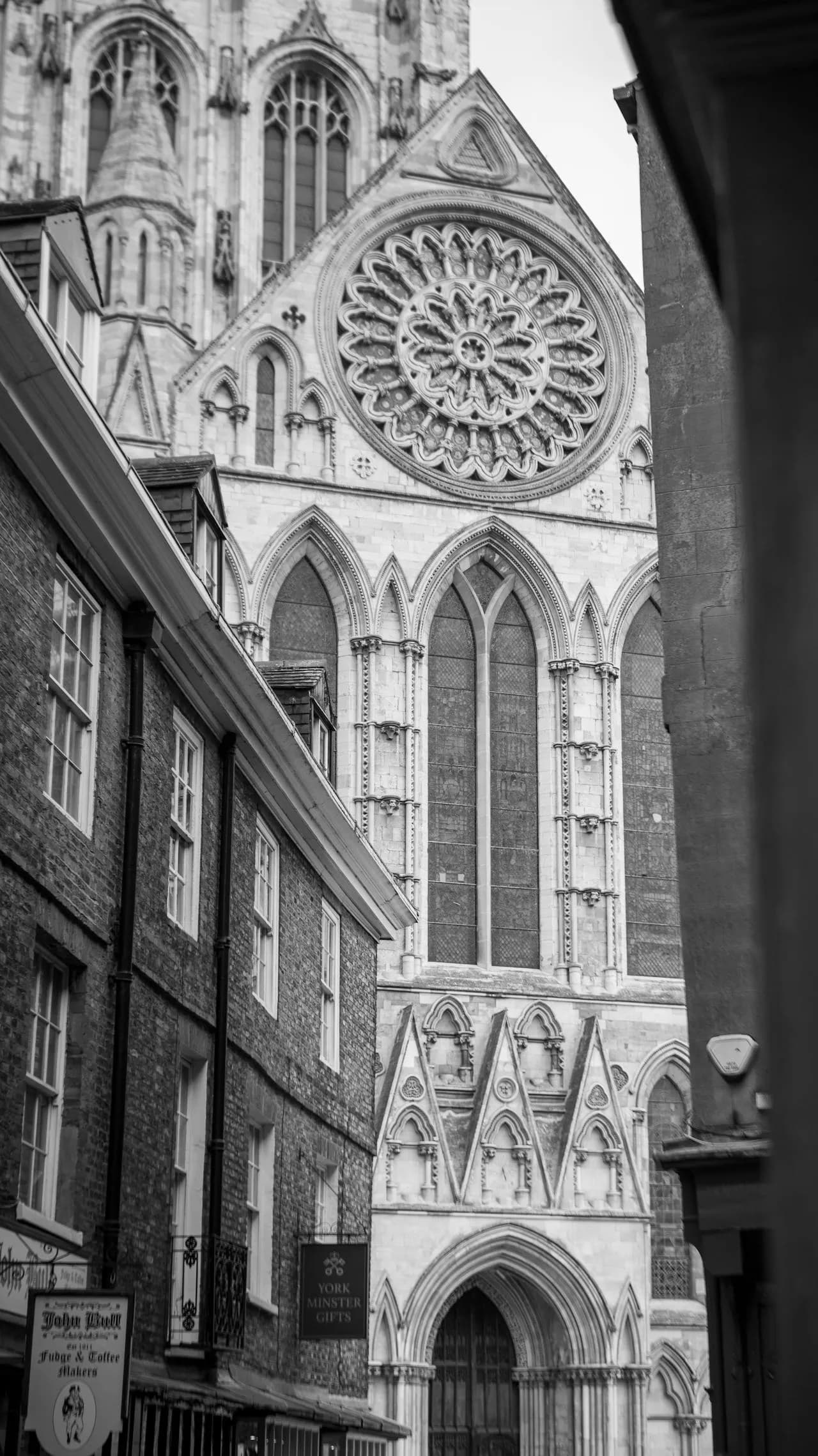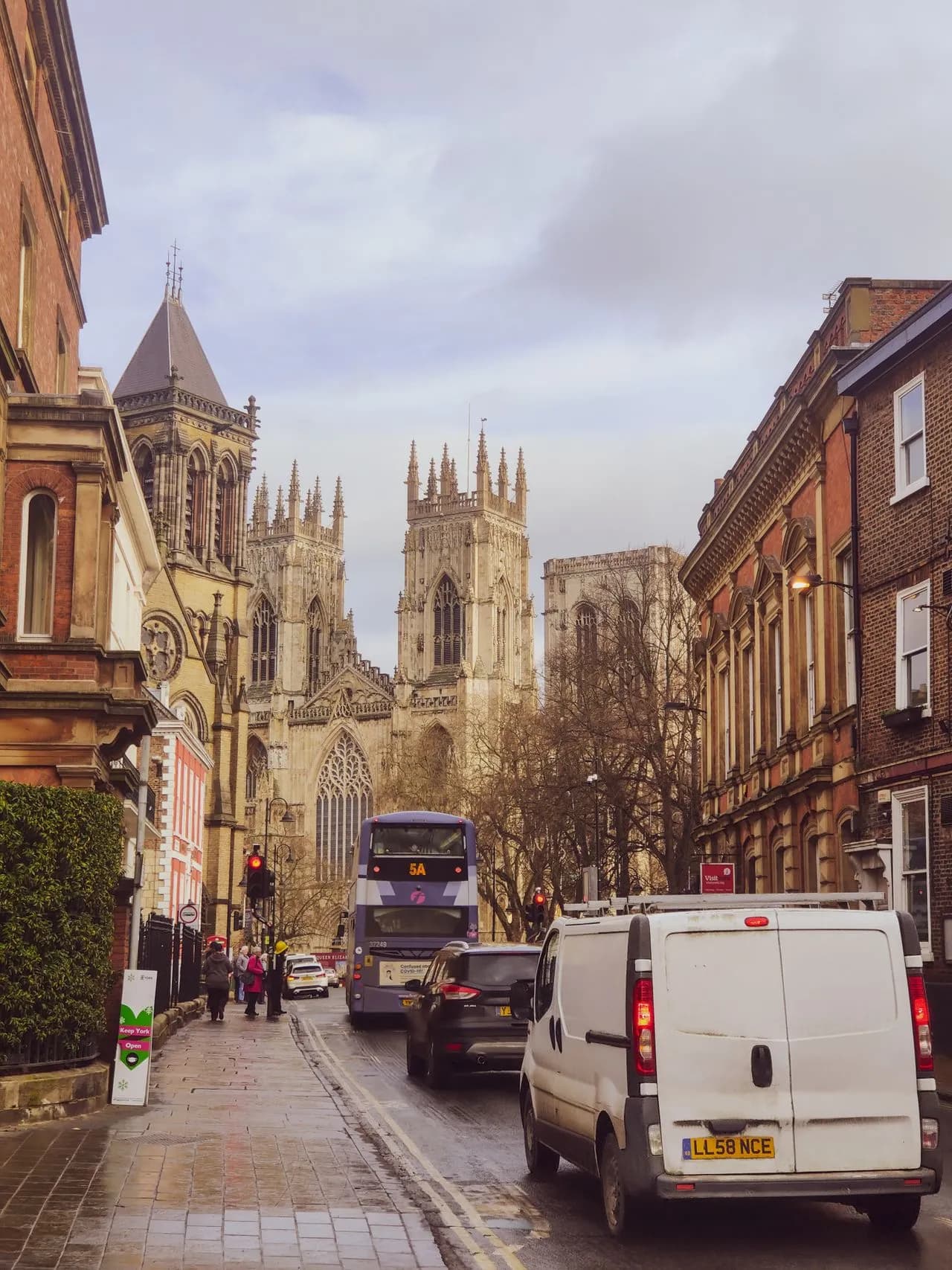
Few cities in England carry the weight of history quite like York. Walk through its ancient streets today and you’ll find tourists sipping coffee beside Roman walls, shoppers wandering through medieval lanes, and ghost tours weaving through shadowy alleyways after dark. Yet beneath the charm and postcard beauty lies a city forged through conflict.
For nearly two thousand years, York has stood at the centre of power struggles that shaped Britain itself. Romans defended it. Vikings conquered it. Kings fought over it. Armies marched through it. And at times, the future of England was decided within a few miles of its walls.
The Roman Beginning
York’s military story began with the Romans in AD 71 when the Ninth Legion established a fortress on the banks of the River Ouse. The settlement was known as Eboracum and quickly became one of the most important military bases in Roman Britain.
The fortress was strategically placed to control northern England and defend Roman territory from hostile tribes further north. Thousands of soldiers were stationed there, and massive defensive walls surrounded the city.
York became so significant that Roman emperors visited regularly. Emperor Septimius Severus ruled the Roman Empire from York while campaigning in Scotland and died there in AD 211. Later, Constantine the Great was proclaimed emperor in York in AD 306, an event that changed the course of world history because Constantine would go on to legalise Christianity across the Roman Empire.
Even today, parts of Roman York remain hidden beneath the modern city, with ruins and artefacts regularly uncovered during construction work.
The Viking Capture of York
One of the most famous turning points in York’s history came in AD 866 when Viking forces captured the city.
At the time, York was part of the Anglo-Saxon kingdom of Northumbria. Viking warriors from Denmark invaded and seized the city with brutal efficiency, turning York into the Viking capital of England. They renamed it Jorvik.
The Viking takeover transformed the city into a thriving centre of trade and power. Archaeological discoveries have revealed evidence of blacksmiths, merchants, craftsmen, and bustling markets that connected York to Scandinavia and beyond.
But the conquest was bloody. In 867, Anglo-Saxon kings Osberht and Ælla attempted to retake York from the Vikings. Their forces stormed the city but were defeated in fierce fighting. Both kings were killed.
Legend later claimed that King Ælla suffered the terrifying Viking punishment known as the Blood Eagle, although historians still debate whether the story was true or exaggerated.
The Battle of Fulford
In 1066, York once again became the focus of a major invasion.
Just south of the city, the Battle of Fulford took place between the English army led by Earls Edwin and Morcar and invading Norwegian forces under King Harald Hardrada.
The Norwegians won a decisive victory, leaving York vulnerable. The city surrendered soon after.
But the story did not end there.
Only days later, King Harold Godwinson marched his exhausted army north from London and launched a surprise attack at Stamford Bridge, east of York. The English defeated the Norwegians and killed Harald Hardrada in one of the most famous battles in English history.
Many historians consider Stamford Bridge to mark the end of the Viking Age.
Tragically for Harold, his victory celebrations were short-lived. Within weeks he had marched south again to face William of Normandy at the Battle of Hastings.
William the Conqueror and the Harrying of the North
York resisted Norman rule after the Battle of Hastings, becoming a centre of rebellion against William the Conqueror.
The city saw repeated uprisings supported by Danish fleets and northern rebels who refused to submit to Norman control. Furious at the resistance, William launched a brutal campaign known as the Harrying of the North between 1069 and 1070.
Villages were burned. Crops were destroyed. Livestock was slaughtered. Entire communities were wiped out.
The devastation around York was so severe that vast areas of northern England were left depopulated for years. Contemporary accounts described starvation, ruined farmland, and bodies left unburied.
To secure the city, the Normans built York Castle and strengthened its defences. Clifford’s Tower, one of York’s most recognisable landmarks today, stands as a reminder of Norman power.
Medieval Tensions and Civil Unrest
York continued to experience violence and unrest throughout the medieval period.
In 1190, one of the darkest events in the city’s history unfolded when a mob targeted York’s Jewish community. Many Jewish families sought refuge inside Clifford’s Tower but were trapped during the siege. Facing conversion or death, many died inside the tower.
The tragedy remains one of the worst anti-Jewish massacres in medieval England.
York also became deeply involved in the Wars of the Roses during the 15th century. The conflict between the rival houses of York and Lancaster tore England apart.
The House of York took its name from the city itself, and the white rose of York became one of England’s most famous historical symbols.
Several major battles linked to the conflict took place across Yorkshire, including the Battle of Towton in 1461, often described as the bloodiest battle ever fought on English soil.
York During the English Civil War
By the 17th century, York once again found itself caught in national conflict during the English Civil War.
The city became a Royalist stronghold loyal to King Charles I. In 1644, Parliamentary forces laid siege to York in one of the largest sieges of the war.
The fighting reached its climax at the Battle of Marston Moor, west of the city. Parliamentary and Scottish forces defeated the Royalists in a crushing blow that effectively ended Royalist control in the north of England.
The battle involved around 45,000 soldiers and remains one of the largest battles ever fought on British soil.
After the defeat, York surrendered to Parliamentarian forces.
The Battle Scars Still Visible Today
What makes York unique is how much of this history can still be seen.
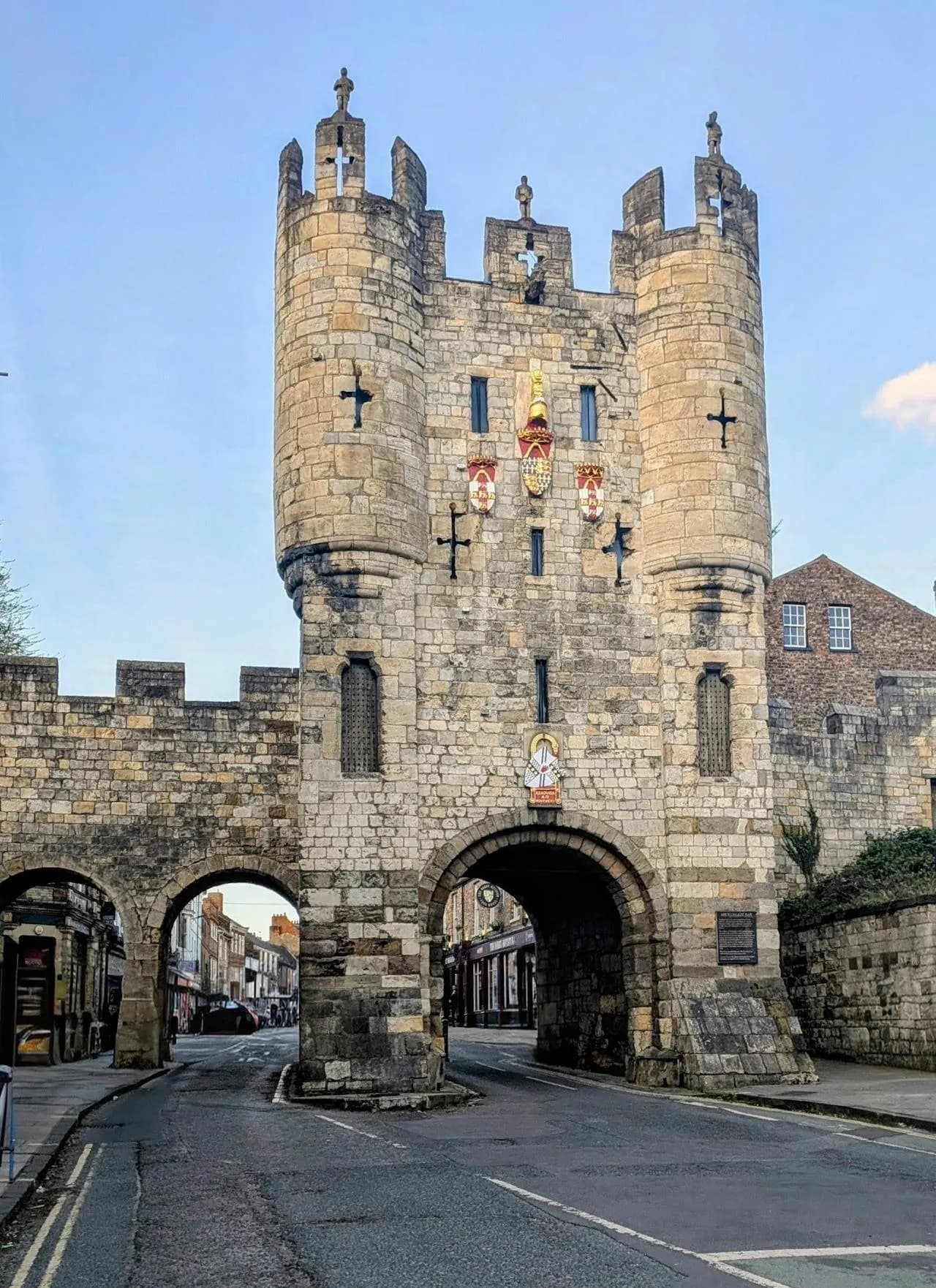
The city walls remain among the best preserved medieval walls in England. Clifford’s Tower still overlooks the city. Ancient gateways known as bars once controlled access into York and were designed for defence as much as ceremony.
Beneath modern buildings lie Roman roads, Viking remains, medieval foundations, and traces of centuries of conflict layered beneath one another.
York’s museums continue to uncover new discoveries that reveal how people lived, fought, and survived through these turbulent periods.
Today, visitors are drawn to York for its beauty, atmosphere, and history. Yet behind every cobbled lane and towering stone wall is the story of a city that endured invasions, rebellions, massacres, and wars across nearly two millennia.
Few places in Britain can truly claim to have shaped the nation’s history through battle quite like York.